


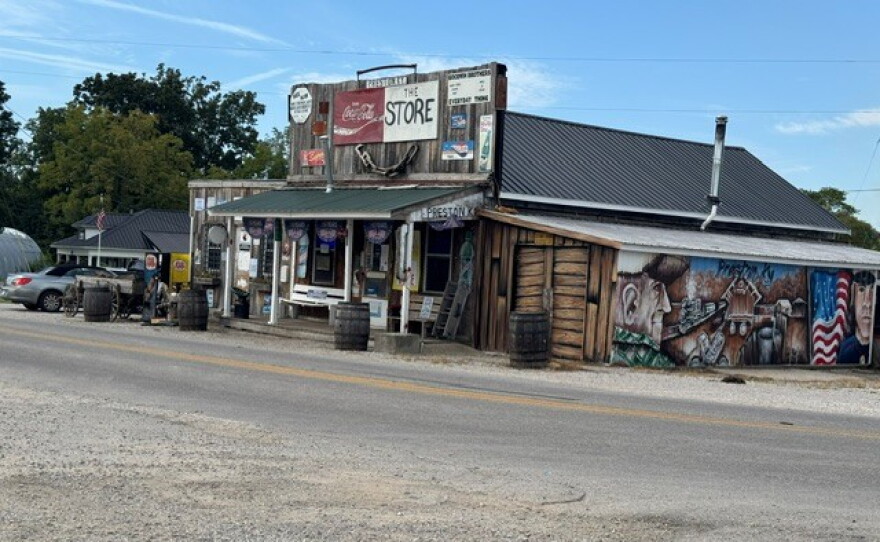
“The Store” in the Bath County community of Preston is straight out of the 1960’s.
Back then, small towns across Kentucky often had gathering places that provided some groceries, hardware, and a place to grab a sandwich. It was a place where people stopped long enough to hear the latest gossip, weather reports, or a tall tale. Cell phones didn’t exist, and the television only had a few channels.
If you wanted the latest news, your neighbor or friend was there to share it. Or read it in the local newspaper.
For the last one hundred years, “The Store” has been that kind of place in Preston, a town of about one hundred fifty people. The train depot, lumberyard, and tomato canning factory are long gone, but “The Store” has survived. In fact, it’s thriving.
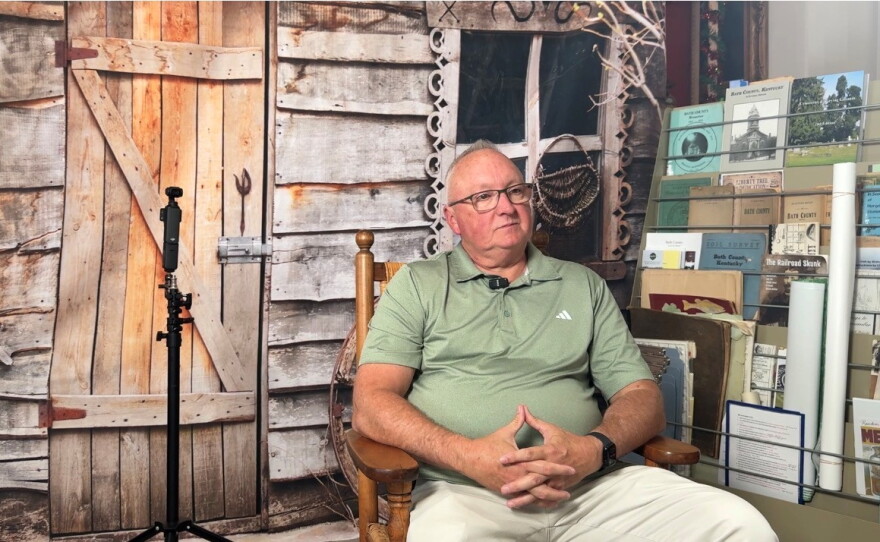
Brent Frizzell, Director of the Bath County History Museum in nearby Owingsville, has a display of pictures featuring a half dozen country stores. Only “The Store” is left.
“I would consider it an icon for Bath County. I mean, there's nothing like it here now. It's, for lack of a better word, nostalgic. I mean, when you walk in the door, you see things, you smell things. You know, everything about it takes you back in time, especially for those that grew up around, as I did, and others grew up around in small towns.”
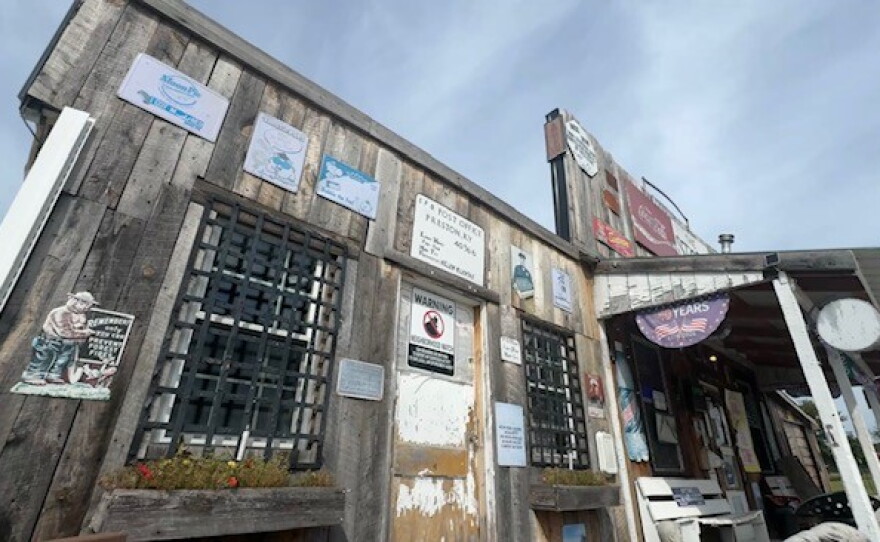
“The Store” is a one-story, faded wood building on Preston Road covered in signs. Among them are a large red Coca-Cola sign, a US Marine recruiting sign promoting Kellogg’s, and one for Sunbeam “energy packed bread.”
The largest sign at the top says in black letters, “The Store.”
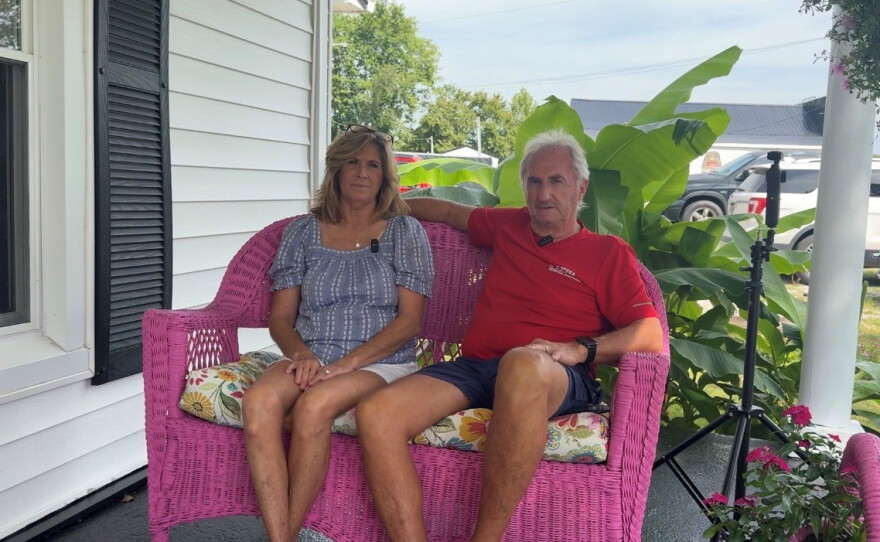
Owner Mike Cassidy and his wife Renee are the fifth owners. They bought “The Store” ten years ago. Since the 1920’ it’s had different names.
Mike remembers, “Renee asked me, she said, what are you going to call it? What are we going to call it? And I said, there’s no other name other than “The Store.” I've always said when they asked me where I'm going, I'm going to the store. And that's what everybody knows it by is because everybody went to the store. It was the hub of Preston.”
Mike grew up here and lives right next door. His first memory of “The Store” was with his father during tobacco season. Mike was seven years old.
“We went in the store, we got us something to drink, and we came back out, and Dad was sitting on the bench at the store. And he had Lucky Strikes rolled up in his shirt sleeve, and he said these things are going to kill me. He said, I'm going to quit. And I never will forget it; he laid them down that day, and he never smoked again. That was probably my first memory of being at the store.”
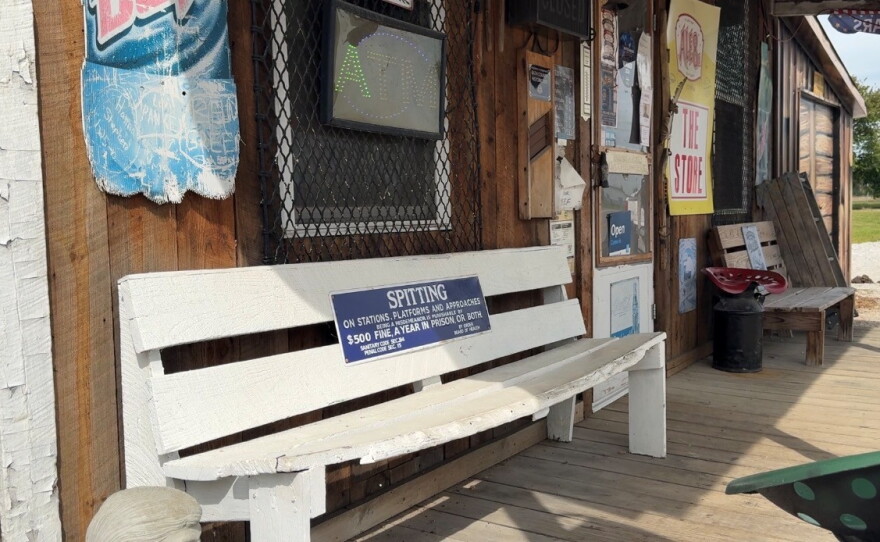
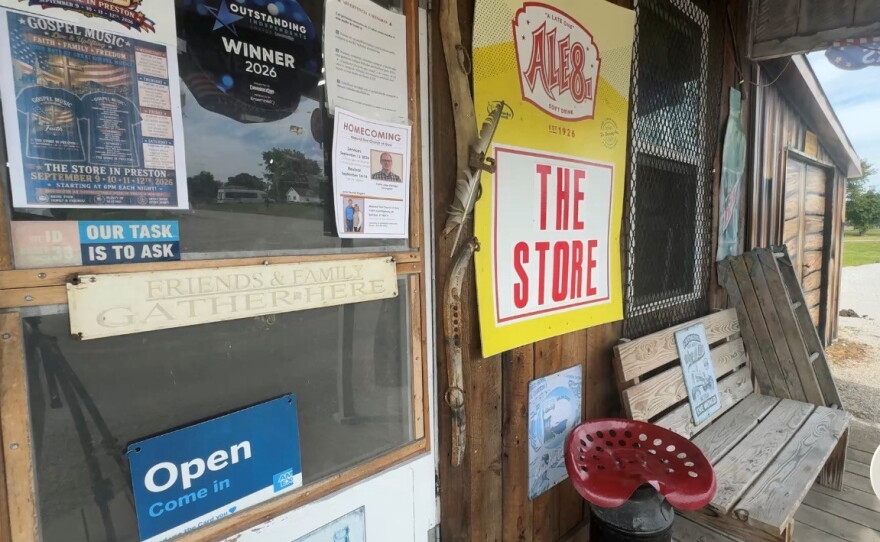
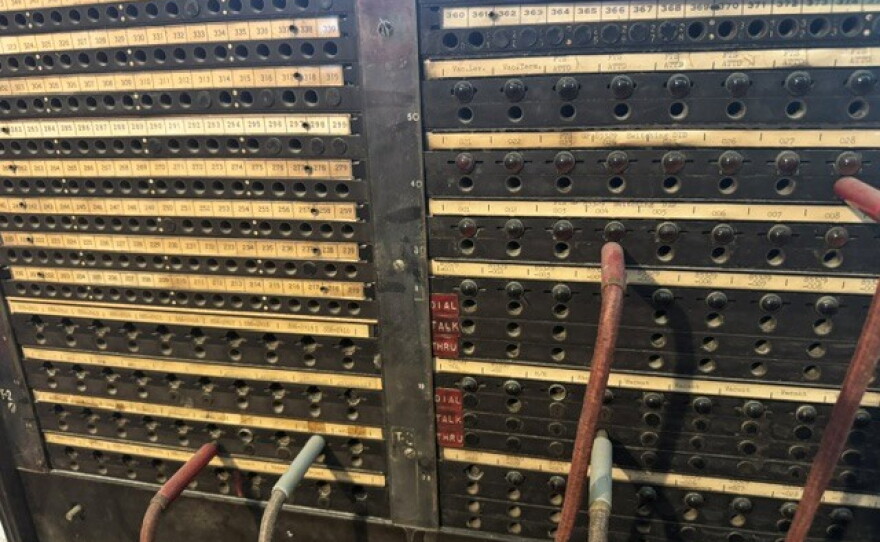
Two benches sit out front under a porch where people can visit and chat about the latest news. On the left side of “The Store” is the front door to the old post office, now closed. Inside, you can see the original mail slots and the telephone switchboard.
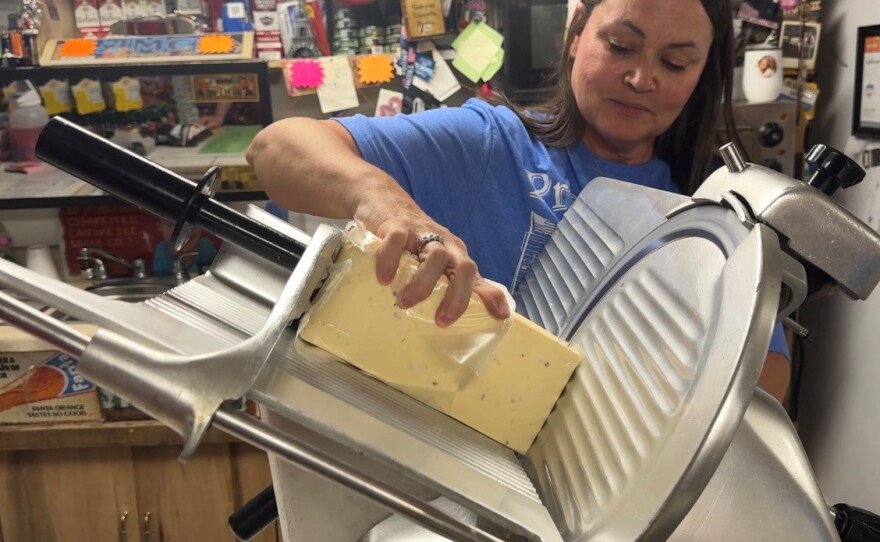
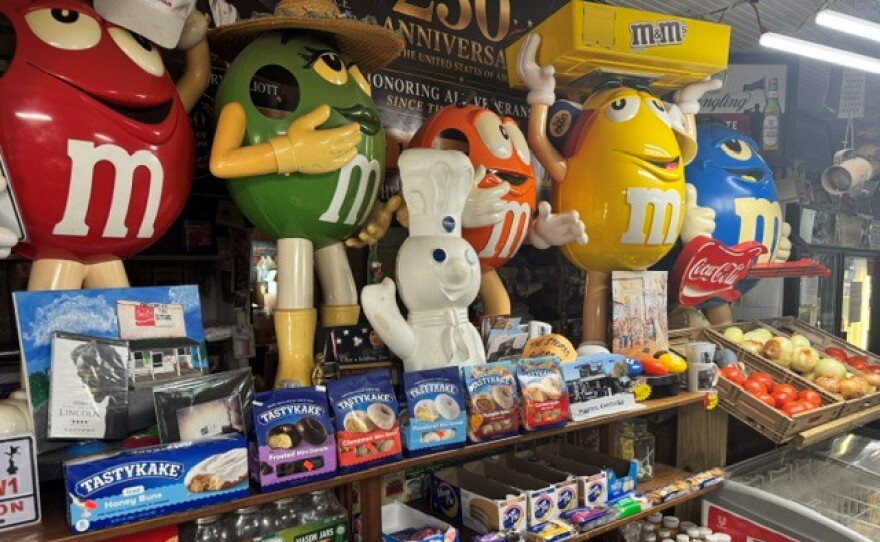
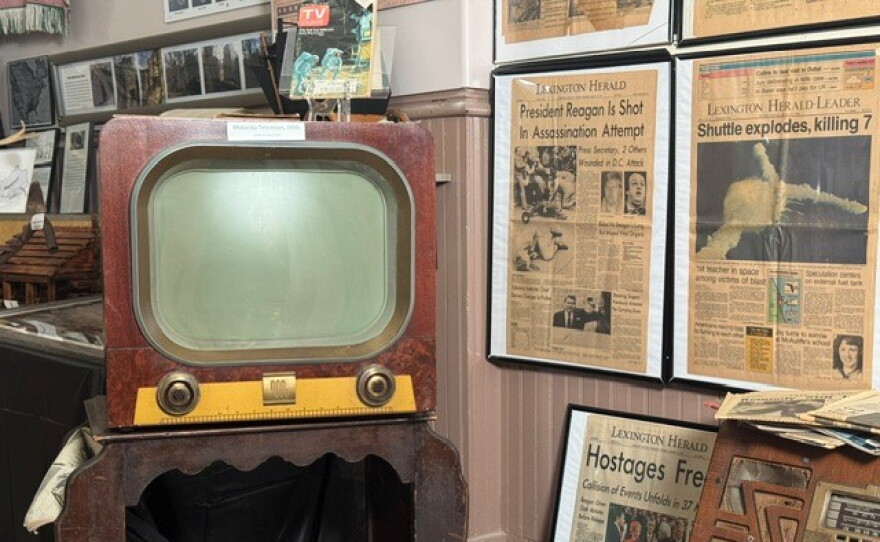
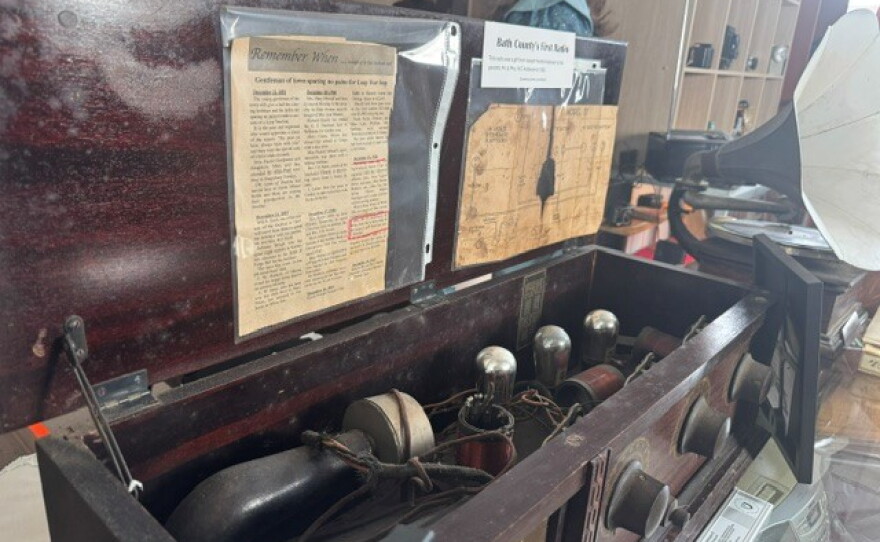
The nostalgia doesn’t stop there. “The Store” is packed floor to ceiling with an odd assortment of things. Old trophies, photos of community members and political leaders, a weight scale, and faded newspapers are mixed in with fresh produce, canned food, and stacks of soda pop. A deli counter includes a cheese and meat slicer where a variety of sandwiches are freshly prepared.
Ginny Clark grew up in Preston. Her favorite sandwich is the Preston Steak. “It's a bologna and cheese, which the rest of the world would say bologna and cheese with mayonnaise is my favorite. But we call it Preston steak around here.” She’s asked why the sandwiches taste special at “The Store.”
“Here, you're not buying a sandwich; you're buying an experience. So, when you walk in the door, you're stepping back 100 years. You're getting to live the way your grandparents lived, great-grandparents in some cases, and just seeing the way the world used to be back when things were a little simpler.”
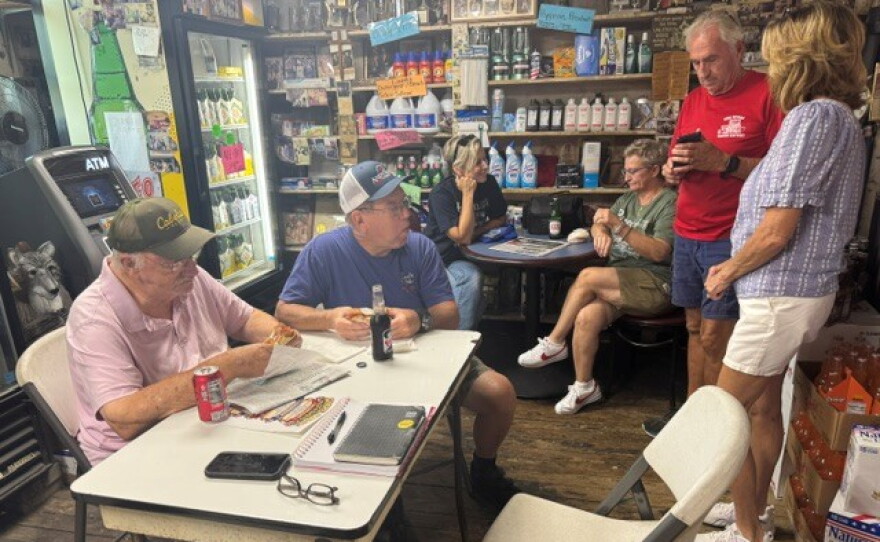
The conversation is just as important as the sandwich. In back there’s a wood bench, and a couple of tables and chairs where a variety of topics are discussed.
Mike says, “You can mix with your neighbors. You can have a conversation like they used to years ago. They meet in the morning, they plan out their day, what they're going to do, and they meet in the afternoon and, well, did you get it done? You know, or whatever. You get to hear all of that. And if you get into politics, it's the best political headquarters you'll ever have, because it all comes here at lunch.”
Lowell Rice, a minister, has called Preston home for about fifty years. He says, “The Store” serves an important role in their community.
“The Store is what I would call a classic example of Americana, and it's kind of the local gathering place that gives the community an identity, and it gives the people something that I feel is so very, very important in life, and that is a sense of place and a sense of belonging. It's getting to be a lost art in today's world of technology, but yet this is a place where people can still come and sit around the coal stove in the wintertime, or on the front porch in the summertime, and really just enjoy the presence of one another.”
Community events are held next to “The Store,” like a veteran’s program, gospel singing, and each October “Court Days.” Mike says they attract 2,100 vendors for “Court Days”, and an estimated crowd of 175,000 people.
Preston is four miles from Interstate 64, and Mike says on Court Days it can take up to four hours to reach the town.
“It's a Black Friday that lasts for a week. And for us, it's basically two weeks, because we are the only people here for the first week while everybody's coming in and getting set up. We're their source of a meal every day, and then when it when it hits, it hits. And they're lined up around the back in there, but they're all patient. I mean, because we don't raise our prices. Our An Ale-8 today is a dollar. It'll be a dollar then.”
Mike and Renee hope to run “The Store” for many more years. For them, it’s much more than a business. It’s the heartbeat of the town, and that’s why they bought it.
“I wanted to preserve it. I wanted to keep it alive. You know, small communities and this type of store, particularly, are a dying breed. They're going away, and I want people to be able to have a place to come. They feel like they were important when they came in because they weren't a number. And, you know, we know mostly everybody by name. If not, we ask them who they are, where they're from, and we get people from everywhere that come here.”
Newcomers are welcome, but don’t be surprised if you hang out longer than you planned. At “The Store” time stands still.
** WEKU is working hard to be a leading source for public service, fact-based journalism. Monthly sustaining donors are the top source of funding for this growing nonprofit news organization. Please join others in your community who support WEKU by making your donation.


