


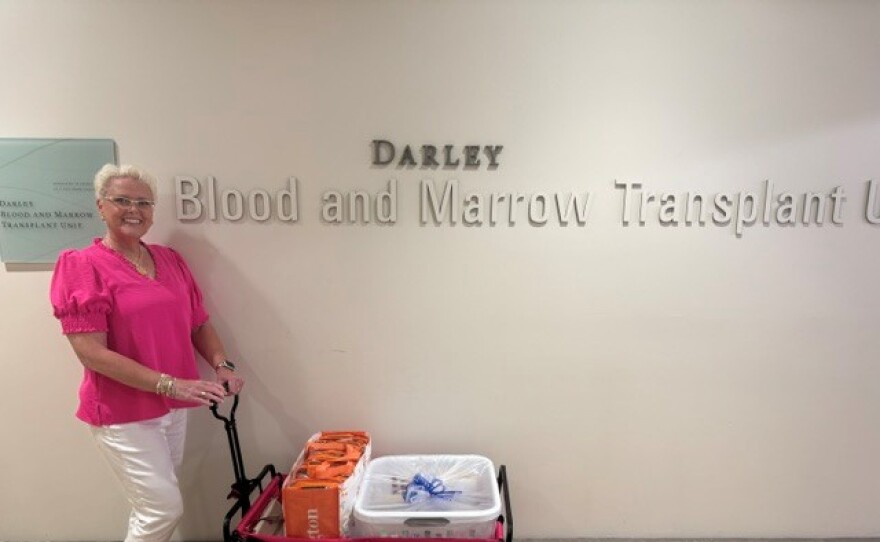
Dressed in white pants, white tennis shoes, and a reddish top, Sarah Lister pulls a cart through the glass tunnel connecting the parking garage and UK Hospital on South Limestone.
She’s a woman on a mission.
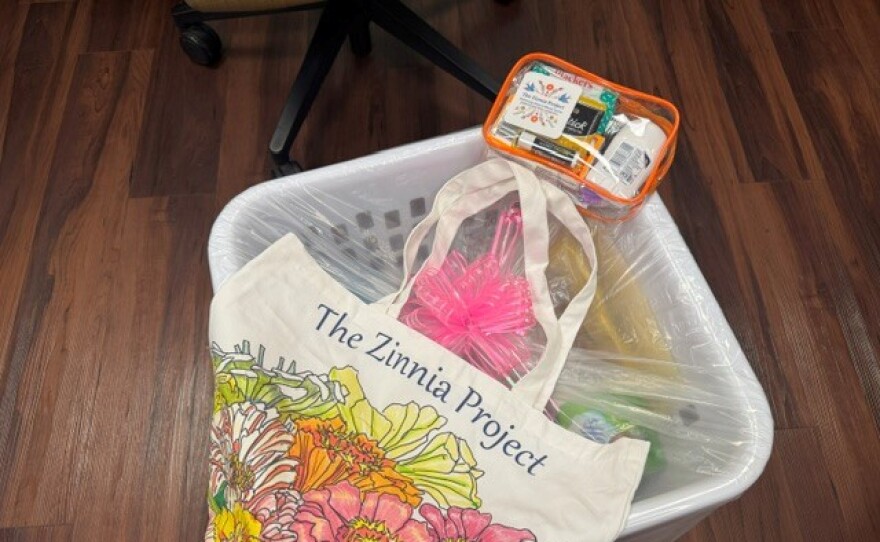
Her cart has a laundry basket wrapped with a bow and some care packages. “Yeah, it's exactly one mile from my car to the 11th floor, so I feel like I'm getting my steps in, which is nice, and I always do this when I already have an appointment here anyway.”
She’s headed to the elevators and a visit to the 11th floor at the Markey Cancer Center, home to the Blood and Bone Marrow Transplant Unit. It’s a place she knows all too well.
In 2016, at age 46, Sarah was feeling rundown and unusually fatigued. “I couldn't keep up with the events; my mind was very scattered, and I just didn't feel well, and I couldn't go up a flight of stairs without needing to take a break, so something was off, and I just assumed it was the flu.”
The Executive Director of the Ronald McDonald House Charities underwent a battery of blood tests, and one night while having dinner at home, the phone rang. The news from her doctor was not good. He told her, “You have a very severe case of Acute Myeloid Leukemia. We have a bed for you at the hospital tomorrow at 10 am. You will start induction chemo that lasts 30 days, and we'll go from there with a bone marrow biopsy.”
Sarah was in shock. In an instant, her whole world changed. Acute Myeloid Leukemia is an aggressive cancer in the blood. Immediate treatment is a priority.
Sarah packed her bags and said goodbye to her two young children the next day.
Because the body’s defenses are wiped out during chemotherapy, visitors, especially children, are very limited. “They've told me all this terrible stuff, and I didn't cry. I just faced it, and they're telling me I can't see my kids, and it was horrible. I'm sorry, but it still makes me cry, and I said, you have to let me see them before you put that needle in me. You have to, you know.”
Sarah settled into one of the special isolation rooms at the hospital and very quickly realized she was missing some important items.
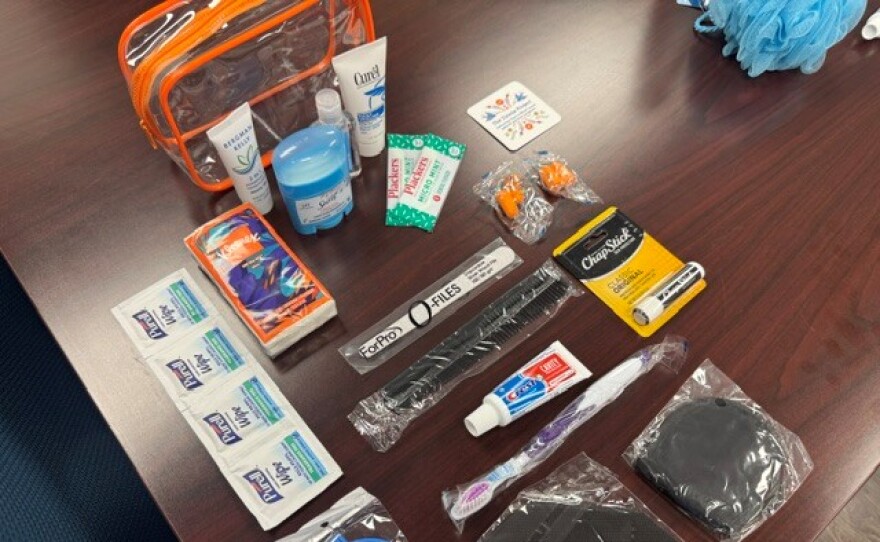
“On day two, I was starting to feel the effects of the chemotherapy already, and my mouth was so dry, and my lips were so chapped already, just like on day two, and I did not pack a ChapStick. I was sitting there going, oh, I'd give anything for a ChapStick. I mean, they were so dry, and what do you do when your lips are dry? You lick them, and then you make them worse.”
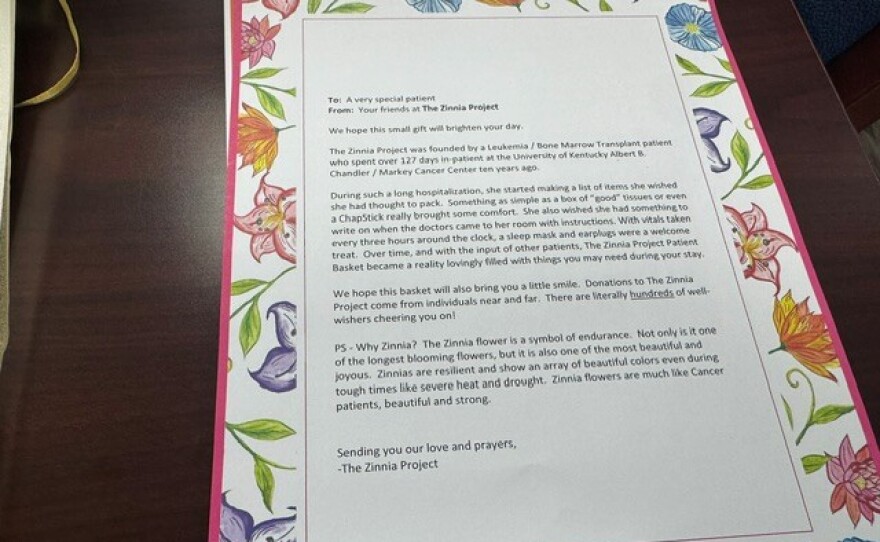
Sarah began compiling a list of things she needed. Things that a patient fighting cancer needs, like a journal for writing down notes as doctors come and go, hand lotion and sanitizer, earplugs to block out the incessant hospital noise, a sleep mask, two toothbrushes, one for your caregiver, diaper cream for diarrhea, and boxes of tissues.
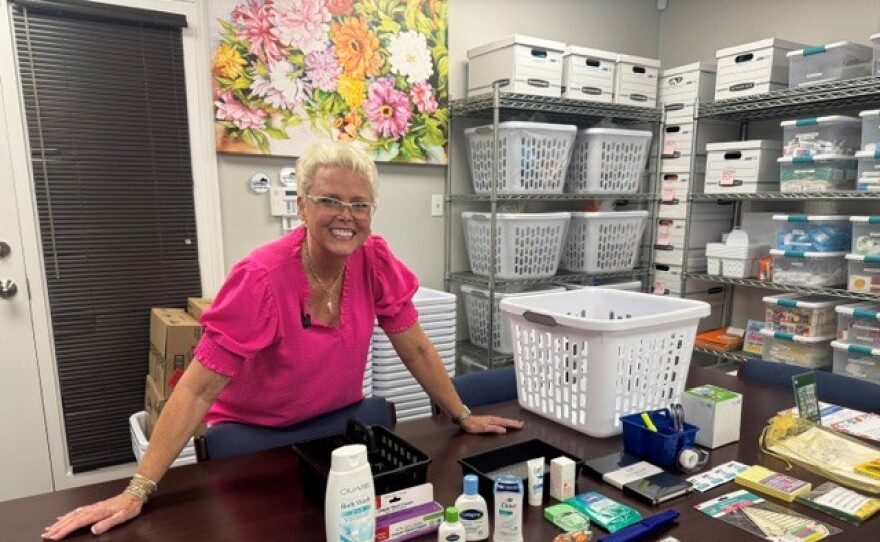
During a total of 127 days of treatment, Sarah was allowed to go home a few times. When she was finally released from treatment, she began packing laundry baskets with dozens of items, and she delivered them to the Markey Cancer Center.
Sarah calls it the Zinnia Project.
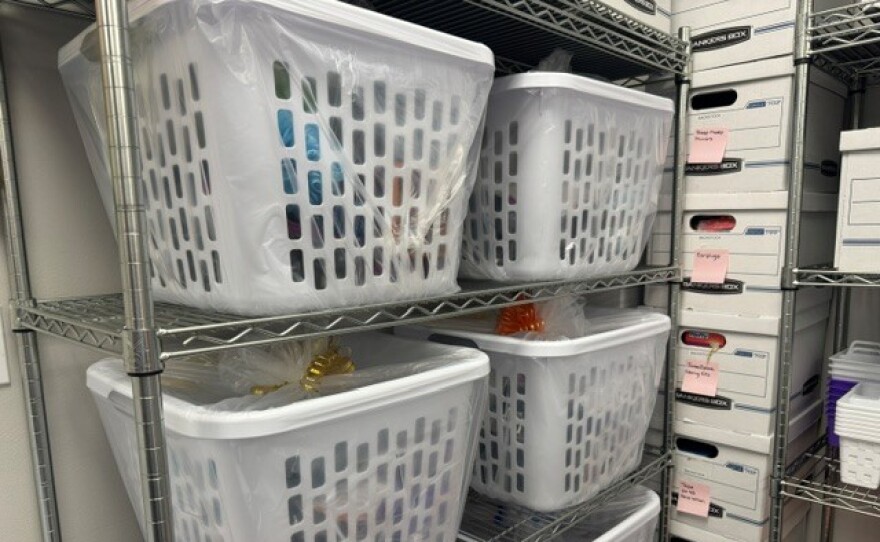
Why a laundry basket? “Patients have to do their own laundry when they're in the hospital. I want really good ones. I don't want flimsy ones, because I want them to last for however long you're in the hospital.”
Sarah named her project after a hardy flower. “I picked Zinnia. I googled it in the hospital because I was trying to figure out a name, you know. I had a lot of time on my hands, and Zinnia is a very hearty, beautiful flower, and it stays colorful under the most adverse of conditions. They actually grew a Zinnia in the space station. So, I thought, you know, Zinnias are like cancer patients. Those are some adverse conditions that we go through, and if we can continue to bloom and stay colorful, then great.”
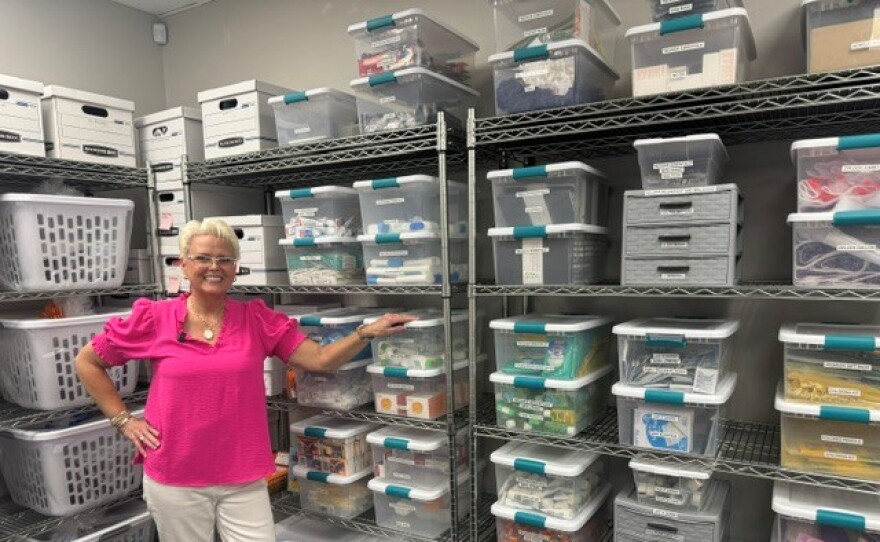
Sarah stores dozens of plastic bins full of supplies at the offices for Kentucky Cancer Link in Lexington. Volunteers help her pack the baskets.
Sarah still has some complications from her cancer, so she has several appointments each month at the hospital. She uses those visits to bring the baskets.
Mary Margaret Forte is the Patient Care Manager at the Blood and Bone Marrow Transplant unit. When she sees Sarah and her baskets, they hug.
Mary Margaret says of Sarah, “She has a huge heart. I don't know what we would do without her contribution to the floor, because it doesn't just lift the patients up, it lifts the staff up, because they enjoy giving the baskets.”
With dozens of patients each month, it keeps Sarah busy. Bobbi Jo Allen, a cancer survivor, appreciates Sarah and the Zinnia Project. “It was like a big happy birthday gift, if you will. It made me feel seen. Cancer is hard. It's not fun, and as I mentioned, you're scared. But when I saw that basket from the Zinnia Project, I saw humanity: somebody took the time to recognize that I had a journey I was going through, and they took the time to put items in there that I didn't even think of, and it was just a message of gratitude and sincerity.”
Each basket costs about $100 to fill. Sarah raises funds to support the Zinnia Project through a GoFundMe page, and there’s a link to an Amazon wish list.
When asked about her advice to people who want to help others, Sarah says, “I think if you see an opportunity to do something for another person, just do it, and you don't necessarily have to ask permission. I'll be honest with you; I didn't ask permission for those first baskets that I did. I saw an opportunity.”
** WEKU is working hard to be a leading source for public service, fact-based journalism. Monthly sustaining donors are the top source of funding for this growing nonprofit news organization. Please join others in your community who support WEKU by making your donation.


